
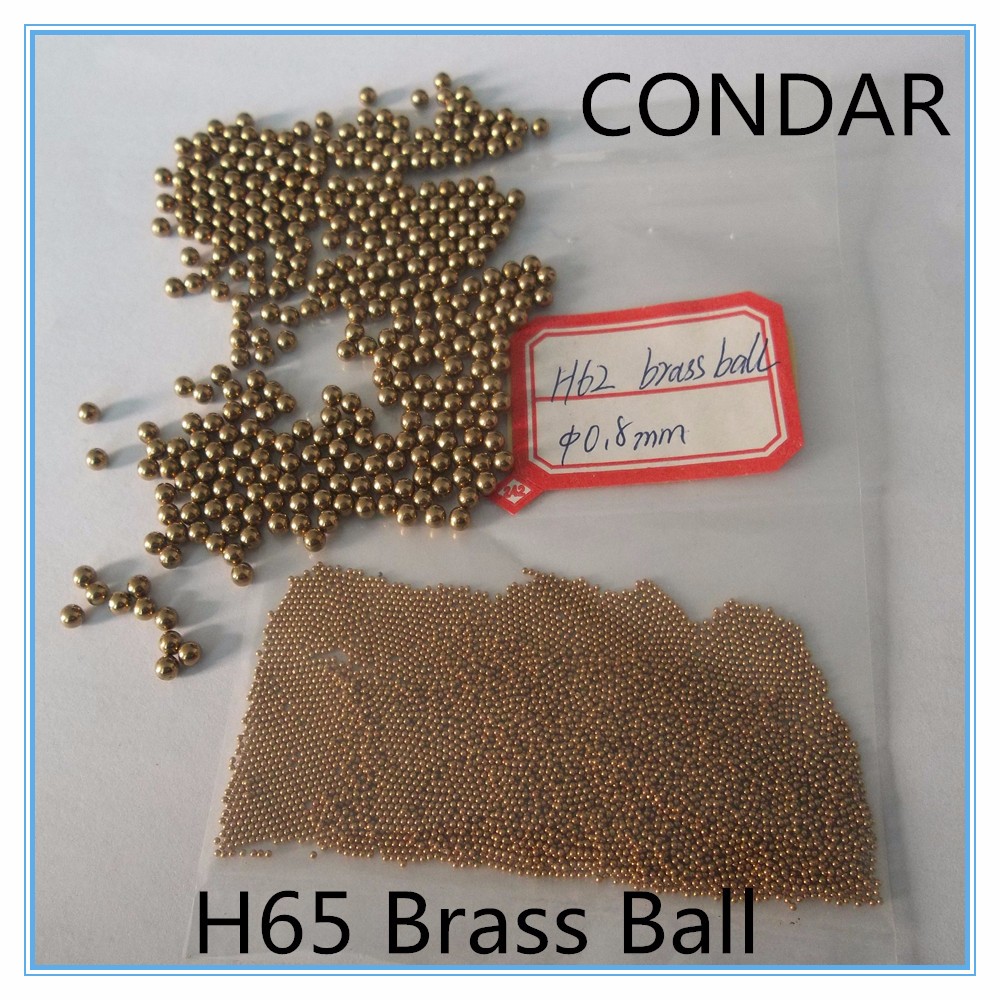
These solid brass balls are made from H62 or H65 brass and polished to a bright, even finish. Each one is a solid ball of brass rather than a steel core with a coating on it, so the colour and the corrosion behaviour belong to the metal itself and cannot chip away in service.
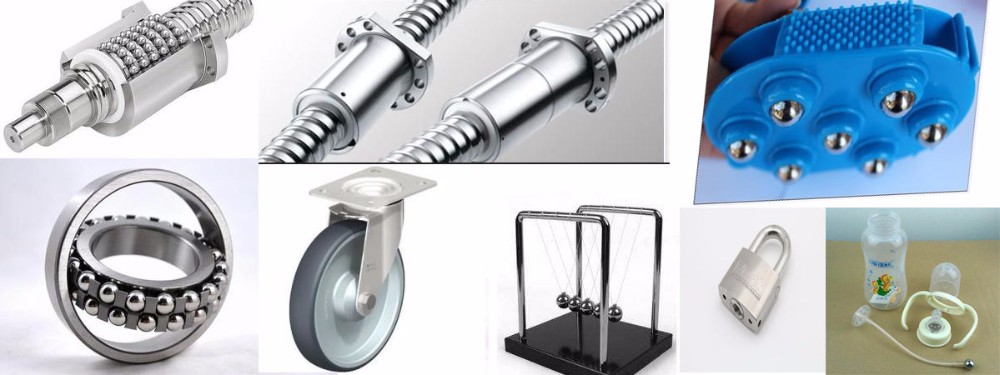
That makes this a different animal from the hardened steel ball we produce for bearings. Brass is softer at HRB 75-87 on the Rockwell B scale, and it is chosen where the part is visible, where it sits in water or damp air, or where a harder ball would mark the surface it runs against. Typical homes are valves and industrial pumps, electronic equipment and instrument parts, furniture and cabinet hardware, and display or presentation items where the warm gold tone is doing design work.
Buyers usually arrive here for one of two reasons. One is a size and grade they need quickly for a valve or hardware line already running. The other is a plated carbon steel ball that has been failing in a wet location, where the plating breaks down and the core starts to rust. Both are a good fit for this line.
| Property | Value |
|---|---|
| Material | H62 brass (H65 also supplied) |
| Size range | 0.8 mm - 25 mm |
| Size held on this product | 5.0 mm |
| Precision grade | G200 - G1000 |
| Hardness | HRB 75 - 87 |
| Surface finish | Polished |
| Standards | DIN / AISI / GB |
| Certification | ISO, RoHS, REACH |
| Country of origin | Shandong, China |
| Brand | Condar |
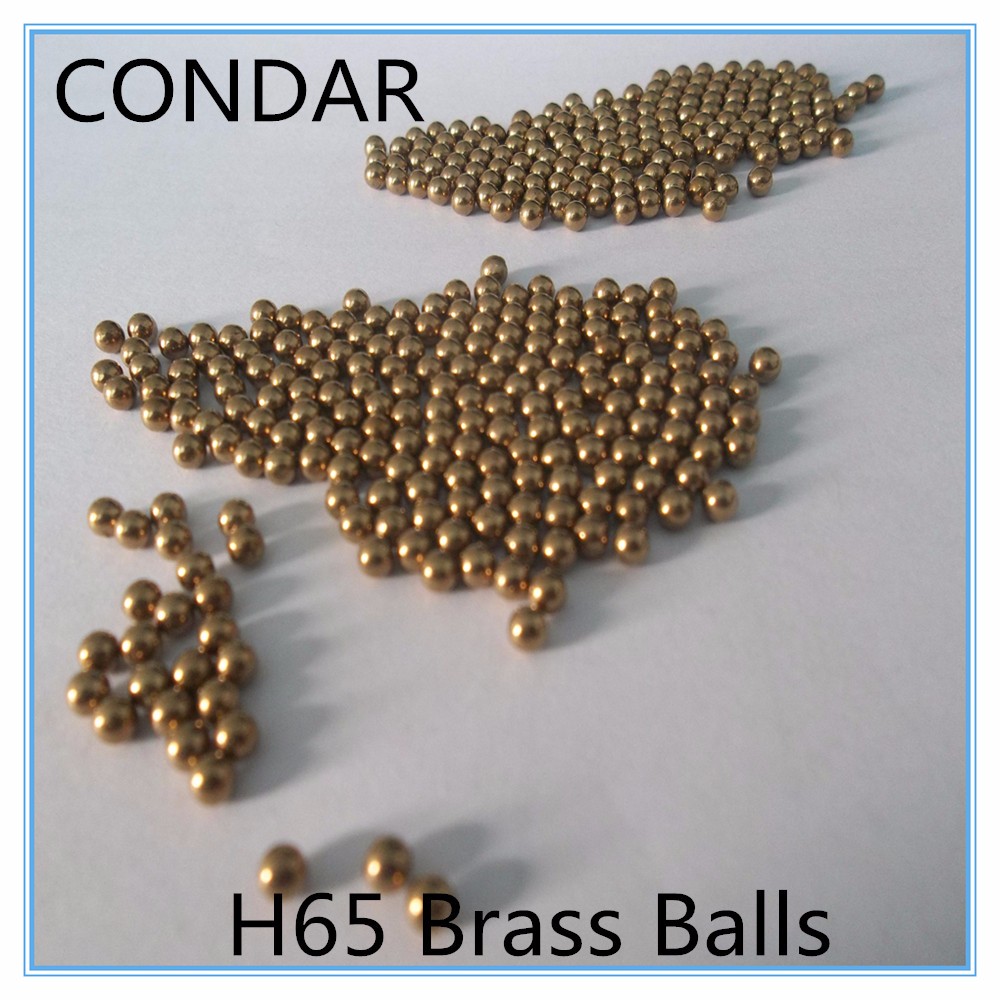
Both grades are copper-zinc alloys and both are available on this line. What separates them is copper content: H62 sits between 60.5% and 63.5% copper with zinc making up the balance, while H65 carries slightly more, which is normally chosen where a warmer colour or a little more corrosion resistance is wanted.
Most of the brass ball volume we ship goes out in H62, because it covers the everyday jobs - the ball valve ball inside a water valve, a pump component, a decorative fastener, a piece of cabinet hardware. Move up to H65 when the drawing specifies it, when the surface is on show and the colour matters, or when the environment is damp enough that the extra copper earns its keep.
If your drawing names a grade, we work to it. If it does not, tell us what the part does and what it touches, and we will say which of the two we would run.
| Element | H62 (%) |
| Cu (copper) | 60.5 - 63.5 — carries the gold colour and the corrosion resistance |
| Fe (iron) | max 0.15 — capped to keep the polished surface clean |
| Pb (lead) | max 0.08 — free-machining aid; tell us if your market caps lead content |
| Sb (antimony) | max 0.005 — trace impurity ceiling |
| Bi (bismuth) | max 0.002 — trace impurity ceiling |
| P (phosphorus) | max 0.01 — trace impurity ceiling |
| Zn (zinc) | remainder — brings the alloy to balance |
| Other elements, combined | max 0.5 — ceiling on everything not listed above |
| H65 (alternative grade) | more copper than H62; exact range confirmed against your order |
Brass holds its appearance and its structure well in ambient air and in seawater, which is why it keeps turning up in water valves, outdoor fittings and damp-location hardware. A plated carbon steel ball depends on a barrier layer that fails the moment it is scratched; this is a solid ball whose surface is the same alloy all the way in, so a scuff does not become a rust point.
Acids and strong alkalis are the limit. Brass is not stable in either, so a ball that meets a pickling bath, a descaling solution, an acidic process stream or a strong industrial cleaner will discolour and lose material over time. If the medium is anything more aggressive than water, air, oil or a mild detergent, tell us what it is before ordering and we will say plainly whether brass is the right call.
The same caution applies in service: a mild soap solution and a rinse are fine, while an acid-based descaler is not.
Precision grade is quoted on the same scale used for any steel ball: the lower the number, the tighter the tolerance band on diameter and sphericity. This brass line runs from G200, the tightest grade listed for it, through to G1000 for general-purpose work. A valve seat for a ball valve ball, or a visible hardware part, is usually comfortable in the middle of that range; G200 is the one to specify when the fit is close and the assembly cannot absorb variation.
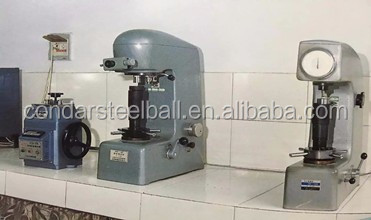
Hardness is reported on a different scale. Brass is a softer metal, so it is measured on the Rockwell B scale and comes out at HRB 75-87 across this line. That figure should not be compared with the HRC number quoted for a hardened steel ball - the two scales do not line up, and treating them as equivalent leads to the wrong choice.
Grade and hardness here are stated for the line as a whole. If a drawing calls for a specific value inside those bands, put it on the enquiry and we will confirm what we can hold.
The clip on this product runs a little over half a minute and shows the polished balls close up, loose and against a plain background. It is worth watching before a first order for the colour reference alone: what you see is the natural polished brass tone rather than a gold plating, and that is the tone that will arrive.
Treat it the way you would treat a sample - compare it against the shade your own product needs before you commit. Screens vary, and brass reads warmer or greener depending on the light, so if colour tolerance is tight, ask your sales contact how a physical sample could reach you for matching.
| Ball type | Reported hardness |
| Test method | Rockwell hardness tester |
| Bearing steel balls | HRC 60 - 66 |
| Carbon steel balls | HRC 55 - 65 |
| Stainless steel balls | around HRC 26 |
| Soft carbon steel balls | around HRC 30 |
| Brass balls (this line) | HRB 75 - 87 |
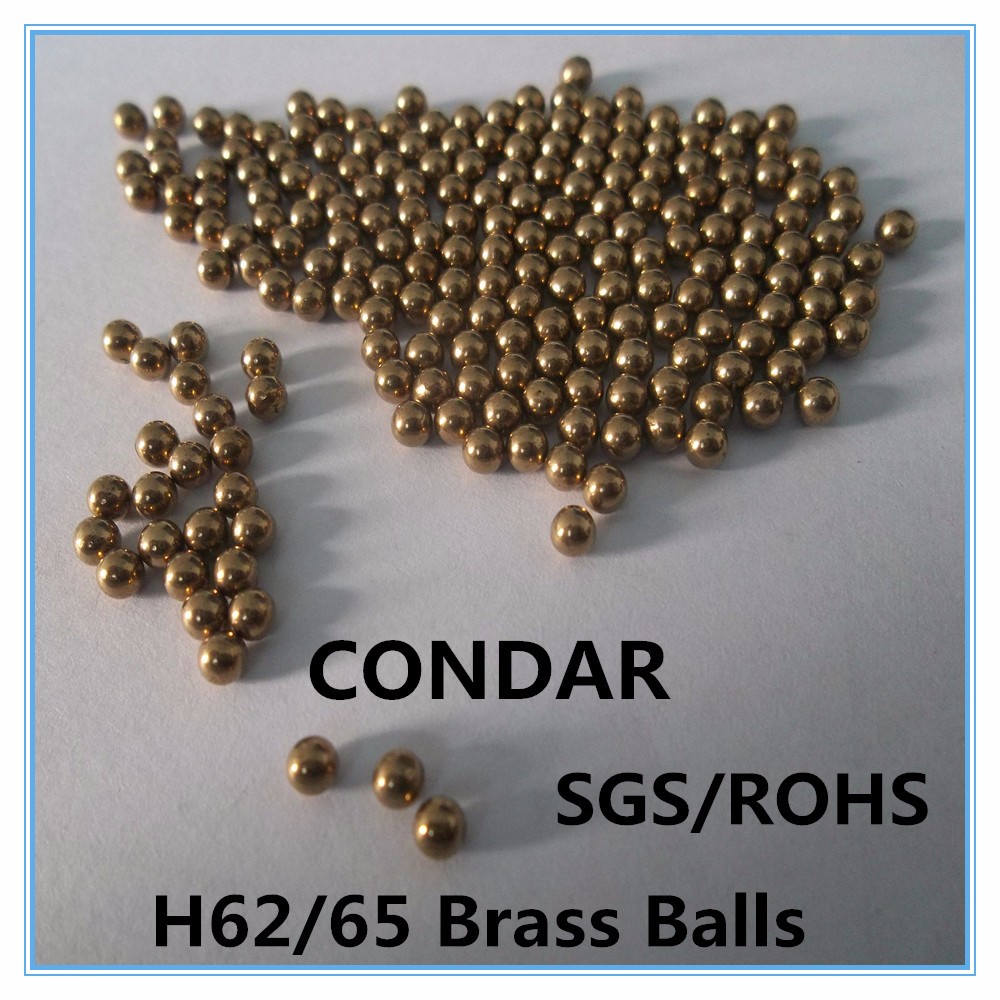
Every ball from this line is supplied with the compliance documentation for the standards named in the specification, and the wider product range is tested to SGS standards with environmental certification behind it. For an importer, that is usually the paperwork a customs broker or a customer's compliance team asks for, and it can travel with the quotation rather than being chased after the order.
Where the part ends up in electronic equipment or in a consumer product sold into Europe, the substance restrictions are the ones that carry the most weight. Tell us at enquiry stage what your file requires and we will make sure it is in the pack.
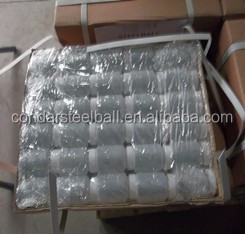
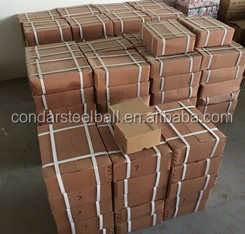
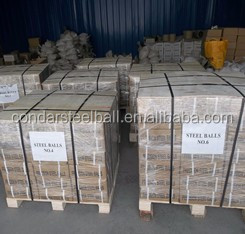
Once a carton order grows past a few boxes, the boxes are stacked and strapped onto a pallet. That keeps the load square inside a container or on an LCL sailing, and it means the whole consignment moves with a forklift instead of by hand. The pallet also holds the bottom layer off a damp container floor.
It is the format most repeat buyers settle on for a regular production supply, because it is stable, cost-efficient to handle at both ends and easy to count in. If your warehouse receives on a dock leveller, this is the one to ask for.
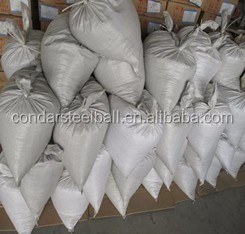
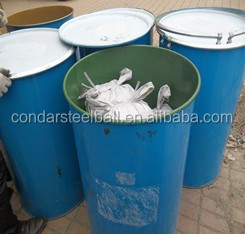
A woven bag on its own is flexible; put it inside a roller drum and you get a rigid, stackable unit that copes with moisture and long sea transit. The drum keeps the bag from being punctured or crushed, and it can be sealed and reopened at the receiving end without spilling the contents.
For a heavy consignment going by sea, or for a customer who stores material under cover but not indoors, this is the format that holds up most reliably. It is also the easiest to move with a drum lifter or a hand truck.
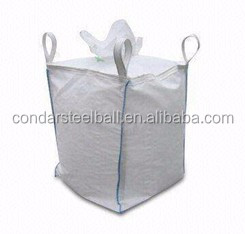
For high-volume jobs there is the FIBC, the large woven bulk bag that a forklift lifts by its own loops. It is the lowest-cost way to move a heavy tonnage in one unit and the fastest to discharge at the far end, which suits a bulk store, a hopper feed or a distributor restocking a warehouse.
It offers the least surface protection of any format here, so it is not the one to choose for a cosmetic part. Where the balls are going into a process and the finish is not on show, it removes a great deal of handling cost.
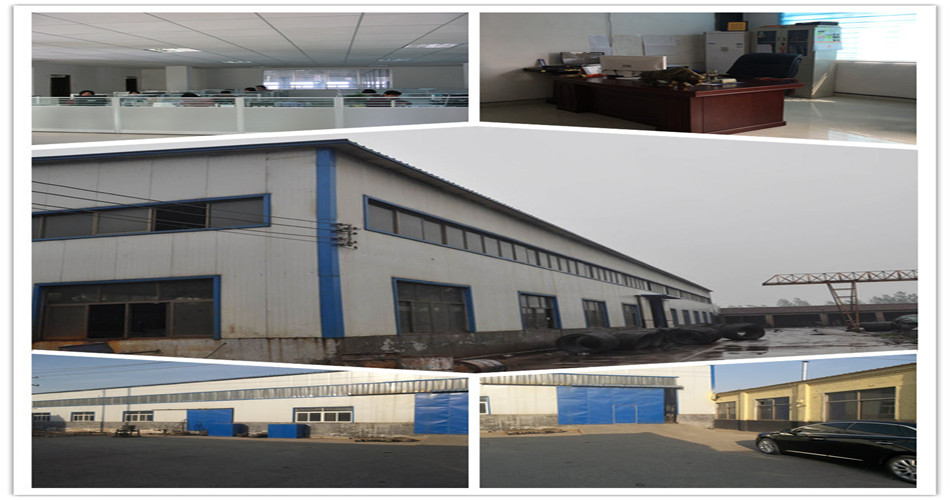
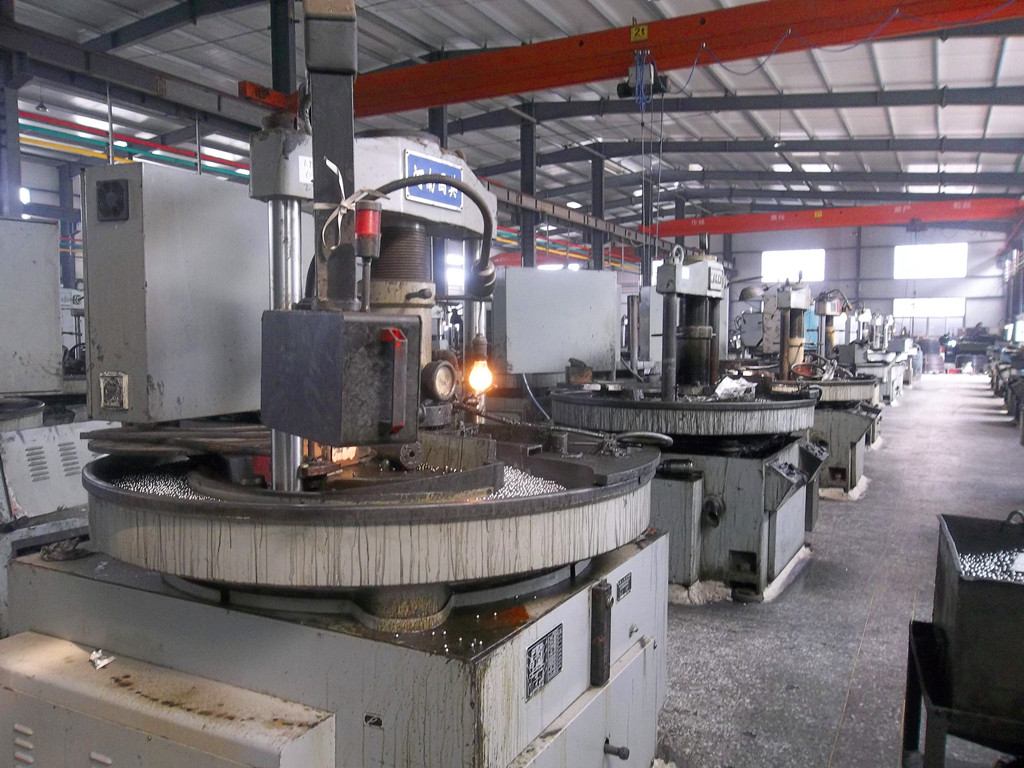
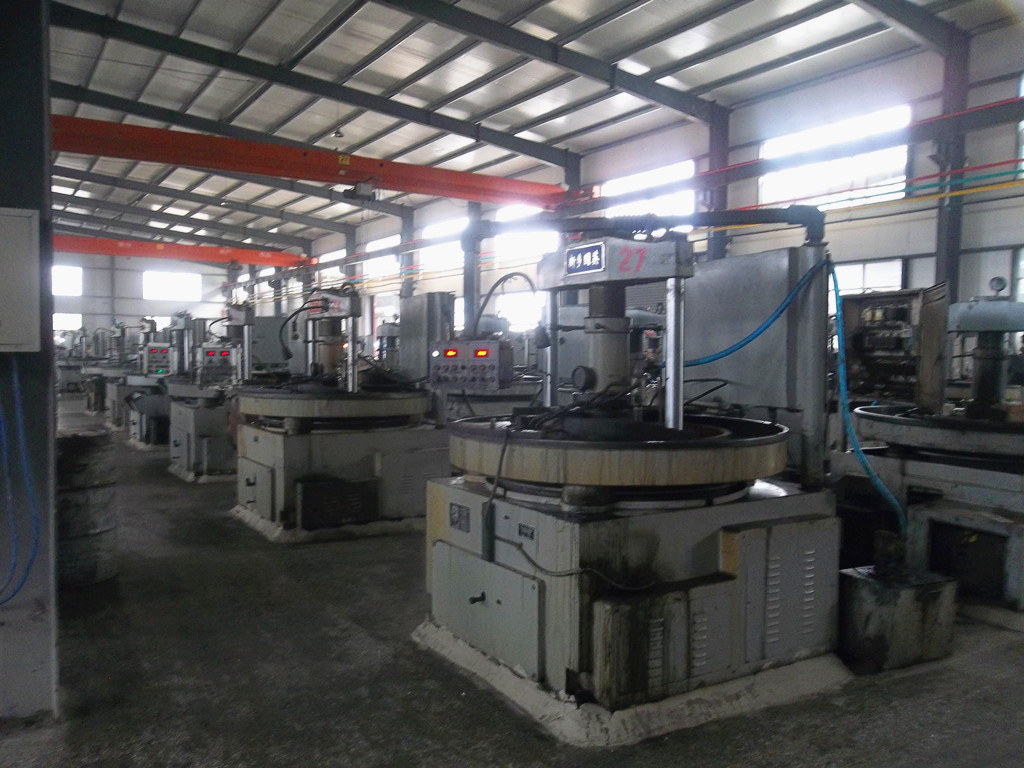
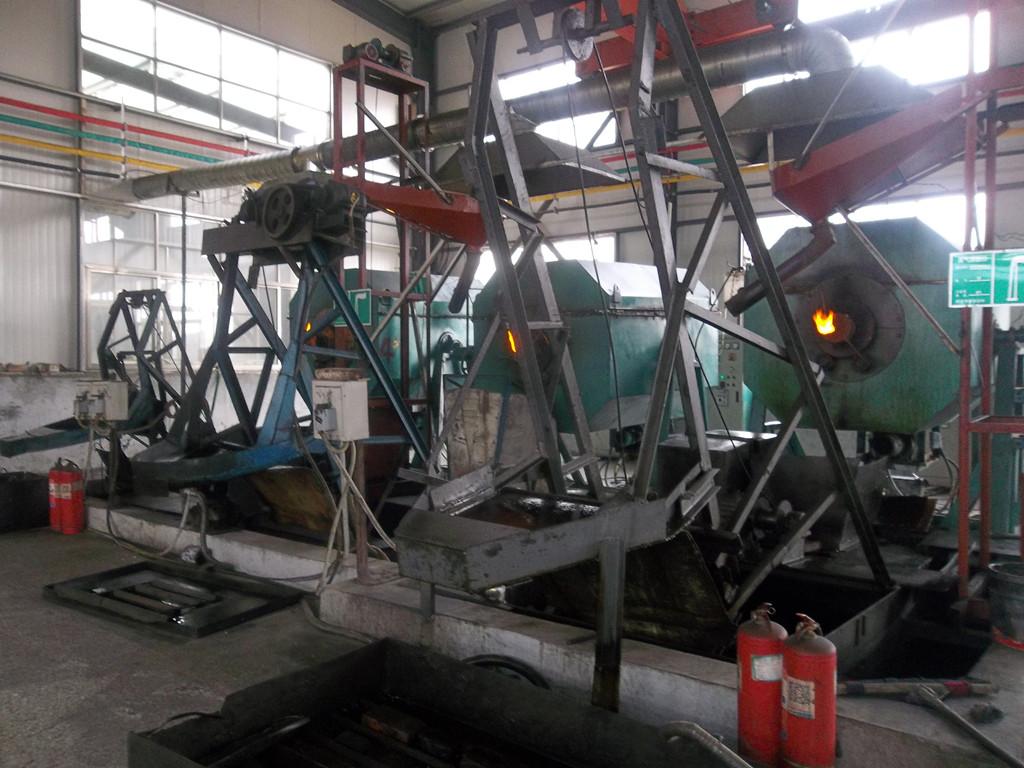
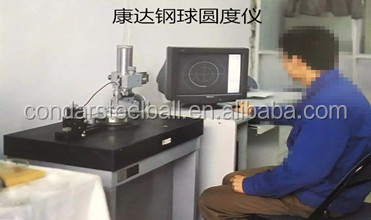
Yuncheng Kangda Steelball Co., Ltd., the factory behind the Condar brand, has been producing precision balls in Shandong, China since 2014 with a team of 80. Two factories handle production, while a 2,000 m² warehouse inside the Liaocheng logistics park keeps common sizes in stock so ordered sizes can leave quickly. More than a hundred sets of production and inspection equipment work to GB/T308.1-2013, backed by ISO documentation and RoHS/REACH material statements. Customised or made-to-order items can be quoted case by case.
Often, yes - that is one of the most common reasons buyers come to this line. A brass ball brings corrosion resistance without a coating, so a wet or outdoor location that was rusting through a plated carbon steel ball is a natural swap. Check two things first: the load, because brass is softer than a hardened steel ball and is not a bearing material, and the medium, because brass does not tolerate acids or strong alkalis. Send the old part's size and what it sits in, and we will tell you honestly whether the swap works.
Both sit inside the same stated band of HRB 75-87, so hardness is not the reason to pick one over the other. The choice is about copper content and what it buys you - H65 carries slightly more, which is normally chosen for a warmer tone or a little more corrosion resistance. If your drawing calls for a specific hardness value, put it on the enquiry and we will confirm what we can hold.
They arrive polished, counted and packed, with a light protective oil film from the final production step. For most valve, pump and hardware work that means they can go straight into assembly. If the part is cosmetic and will be seen, wipe the film off with a soft cloth before fitting and handle with gloves so the polished surface stays free of fingerprints.
No. Brass is a copper-zinc alloy and is non-magnetic, which is one reason it turns up inside electronic equipment and instrument parts where a steel component nearby would interfere. On a receiving bench, a magnet is also a quick way to separate a brass ball from a plated steel one.
Not with the documentation this line carries. What we supply covers material and substance compliance, not a food-contact or drinking-water approval, so we will not describe a ball in a potable-water line as certified for that duty when it is not. If your product falls under food-contact rules, check the requirement with your own compliance team first, and we will supply the material and test documentation we hold for your file.
No - above 25 mm sits outside this line, and a ball that size would come from a different production route. Ask your sales contact what else can be produced in brass and at what grade before you plan a design around it.


